
Conference Workshops: Wednesday 23 September 2026
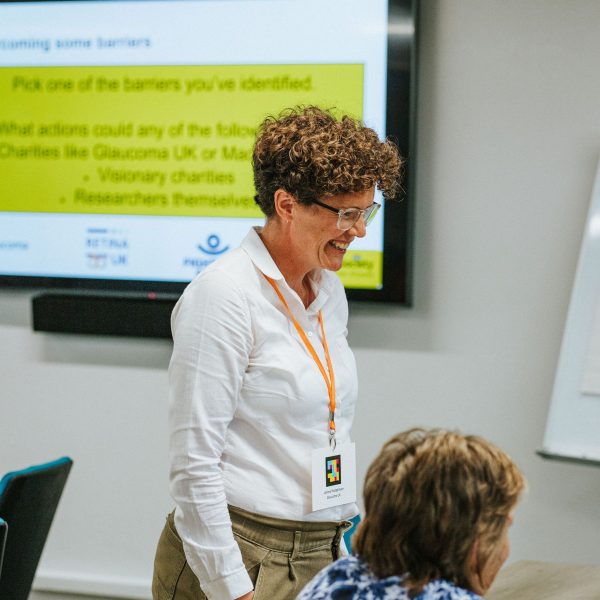
All workshops have limited places available, so please ensure you send your preferred second choices. We will do our very best to allocate your first choice workshop, wherever possible.
Workshop Session 1: 13:30 to 14:45
Option 1) Making Sense of AI: What it Means for Your Mission
Senior leaders are being asked to make decisions about AI without always having the time, context, or support to feel confident doing so. This workshop covers how AI is already changing the environment charities operate in – from how people find information online to shifts in funding and service demand – and what that means for your organisation. You will leave with practical frameworks and space to think, so you can engage with AI critically and on your own terms. We will also point you towards resources to keep building your confidence after the session.
The core aims of this session are to:
- Understand the landscape – Get a clearer picture of how AI already affects the sector and the broader environment your organisation operates in.
- Think strategically – Use a simple framework to reflect on what AI means for your mission.
- Know your next step – Leave with at least one concrete action or question to take back to your organisation, and signposting to resources for going further.
Audience: All
Geography: UK wide
Facilitator:
David Scurr, Programmes and Partnerships Lead, CAST (Centre for the Acceleration of Social Technology): David designs and delivers programmes that help charities explore and adopt AI responsibly at ~CAST, a charity that builds digital, data and AI capacity across civil society. He also leads the Digital Leads Network, a community of 500+ charity digital professionals. David is also a founding member of the Tech for Good UK Organisers’ Network.
Sponsor: Thank you to Macular Society for sponsoring this workshop.

Macular Society logo – Beating Macular Disease
Option 2) From Outcomes to Impact: Preparing for Social Return On Investment
Many organisations want to better understand and demonstrate their impact, but may not yet feel ready to undertake a full Social Return on Investment (SROI) analysis. This practical workshop is designed for charities and community organisations that already think about outcomes and want to strengthen the foundations needed for future SROI work.
The session will explore key building blocks including theory of change, impact mapping, stakeholder engagement and proportionate, pragmatic data collection. Delegates will consider what “SROI readiness” looks like in practice, identify strengths and gaps in their current approach and leave with practical steps to strengthen their impact practice.
Audience: All
Geography: UK wide
Facilitators:
Aditi Mehta, Senior Analyst (Pro Bono and Publications), Costello Medical: Aditi has spent the past three years partnering with non-profit organisations, including organisations within the sight-loss sector, on a wide range of projects supporting evidence-based decision making and improved patient outcomes. Prior to joining Costello Medical, Aditi completed an MSc in Evidence-Based Social Intervention and Policy Evaluation, with a particular focus on evaluating the impact of programmes on health outcomes.
Seth Francis-Graham, Consultant (Real-World Evidence), Costello Medical: Seth specialises in evidence generation and health policy. Over six years with Costello Medical he has partnered with non-profit organisations to deliver a variety of evaluative projects, from cost-benefit and social return on investment models to full process and impact evaluations. Prior to joining Costello Medical Seth completed a Master of Public Health and a PhD in Public Health Medicine, with a focus on mixed-methods realist evaluation and the optimisation of prison healthcare.
Option 3) Good Working Practice for People Living with Deafblindness
The workshop will look at the distinct nature of deafblindness and the challenges and unique perspective of people who are deafblind. We will look at opportunities to make a difference to the experiences of deafblind people. We want to empower delegates to drive forward change within their own practice, leading to improved recognition in society and agency for all. This will include both professional and lived experience perspectives within the workshop. This presentation will include a Q&A section with ongoing discussions following the conference.
Audience: All, with emphasis on service leaders
Geography: UK wide
Facilitators:
Andrew William Barnes, Sensory Support Officer (Trainer), Deafblind UK: Andrew is deaf with a family member living with deafblindness. He is from West Cumbria and has worked at Deafblind UK for over 8 years. Andrew holds a degree in Social Care and Deaf Studies and is also completing the Certificate in Professional studies (Deafblind Studies).
Carolyn Greig, Children and Young People Lead, Deafblind UK: Carolyn has been involved with children and young people throughout her professional career working in secondary schools as well as supporting children in voluntary groups. Carolyn is very keen that all children who are deafblind have a positive experience during their educational journey and strive to show this fabulous community in an asset-based way. Carolyn’s dad was visually impaired, and she have a partially deaf son.
Kelly Taylor, Volunteer, Deafblind UK: Kelly is a deafblind mum living with two children who is passionate about raising awareness of the challenge of deafblindness. She is a volunteer for Deafblind UK and is keen to drive forward change.
Option 4) Making Micro-Volunteering Work
Micro-volunteering and flexible volunteering are often presented as the future of volunteer engagement. They offer a way to attract new audiences, increase accessibility and meet the changing expectations of today’s volunteers.
So why are so many organisations still struggling to make them work?
In this session, we will explore real examples of effective micro and flexible volunteering programmes, what makes them successful, and the common barriers that prevent organisations from implementing them. From recruitment and onboarding to training, compliance and communication, we will look at the operational challenges that can make flexible volunteering feel difficult to deliver at scale.
We will also examine how the volunteer management landscape is evolving, with modern technology helping organisations automate time-consuming processes and create more flexible opportunities without increasing the burden on staff.
Delegates will leave with practical ideas, real-world examples and a clearer understanding of how to build volunteer programmes that work for both volunteers and organisations.
Audience: Senior Leaders, Volunteer Managers, Heads of Volunteering and CEOs
Geography: UK wide
Facilitator:
James Colclough, Head of Growth, Volunteero: James works closely with hundreds of volunteer managers each year at Volunteero, a volunteer management platform used by charities and community organisations across the UK and beyond. James is in a unique position to hear first-hand about the challenges, trends and opportunities shaping modern volunteer engagement. He is passionate about helping organisations create volunteer experiences that are flexible, accessible and impactful for both volunteers and staff.
Sponsor: Thank you to the team at Volunteero for sponsoring and facilitating this workshop. Please make sure you visit their stand at our exhibition on Wednesday 23 September.

Volunteero logo
Option 5) Maximising Your Board of Trustees: The Role of Performance Development and Appraisals
Charities exist for public benefit, not private profit. Trustees are legally responsible for ensuring that everything the charity does advances its charitable purpose.
Appraisals and governance reviews are critical tools to make sure trustees and CEOs are equipped, accountable and focused on safeguarding that purpose. Without this, the risk is mission drift and loss of public trust.
This workshop looks at the practicalities of embedding appraisals and governance reviews for Trustees and CEOs, in an interactive discussion forum designed to provide the tools and impetus for implementation.
Audience: CEOs, Leaders and Trustees
Geography: UK wide
Facilitators:
Amrat Khorana, Chair of Trustees, Support 4 Sight: Amrat has been the Chair of Support 4 Sight for the past two and half years. In addition, he holds executive and non-executive roles in organisations that provide community support and ensure public protection and patient safety.
Sharon Schaffer, CEO, Support 4 Sight: Sharon has been the CEO of Support 4 Sight for five years. Prior to this she was a trustee of the charity, as well as being a regional manager for the England Vision Strategy.
Option 6) Understanding the SEND White Paper Proposals
This workshop will explore the current situation with the Special Educational Needs and Disabilities (SEND) White Paper and its future impact on the education of children and young people with vision impairment.
We will discuss both the legal and practical implications of the proposed changes across all areas of VI education for children aged 0-25 who are in preschool, primary, secondary or further education.
Delegates will have the chance to understand the issues, ask questions, voice their views and work together to ensure that their organisation is able to support their young members and/or to direct them to all other appropriate sources of support.
Audience: Anyone working with children, young people and families
Geography: England
Facilitators:
Laura Hughes, CEO, MoorVision: Laura is the founder and CEO of MoorVision, a sight loss charity offering support to children and young people aged 0-29 across Devon and Cornwall. The charity was started as a parent/carer support group in 2007 and now supports almost 300 children and young people with visual impairment (CYP VI). Laura is a member of the CYP VI Network Group and an active participant and speaker at these and Visionary meetings and conferences.
Eleanor Wright, Legal Officer, SOS!SEN: Eleanor has more than 25 years’ education law experience as a SEN solicitor. She joined SOS!SEN in 2015 as Coordinator. Eleanor provides the legal oversight that underpins the support and services they provide, updating staff and volunteers on any changes in legislation and guidance that impacts the support SOS!SEN provides. Eleanor delivers regular training to both new and existing volunteers and is responsible for monitoring and oversight of the work they undertake.
Sponsor: Thank you to Guide Dogs UK for sponsoring this workshop.

Guide Dogs Paw Logo
Workshop Session 2: 15:15 to 16:30
Option 1) Recruiting and Retaining Charity Trustees for Effective Governance
Attracting and retaining trustees is one of the most common challenges facing charities. In this practical session, Debbie will share her top tips and insights into recruiting effective charity trustees and, just as important, keeping them.
Delegates will come away with practical ideas to apply to their own trustee boards, whether recruiting for the first time or looking to refresh their approach.
Audience: CEOs, Chairs and Board Trustees
Geography: UK wide
Facilitator:
Debbie Shields, Director, AVIIA Executive Search: Debbie has a wealth of experience in recruiting in partnership with the Third and Public Sectors on Executive and Non Executive leadership roles, with over 15 years of expertise in working with all shapes and sizes of non profit organisations to ensure they have the best leaders in place.
Debbie has a particular interest in the Board appointments space and has served on a number of Boards herself as Chair, Vice Chair and a Non Executive Director spanning over 12 years or so. She understands what it is like to serve on a Board and how much work it takes to ensure an effective and diverse Board that operates effectively.
Sponsor: Thank you to AVIIA Executive Search for sponsoring and facilitating this workshop
Option 2) What Can a Collaborative Approach do for Vision Rehabilitation? Reflections From Vision Collaborative Scotland
This workshop will share how Vision Collaborative Scotland has developed a systems-change approach to vision rehabilitation in Scotland. Delegates will hear about what has been achieved so far, how collaborative relationships have been built, and what has helped create the conditions for joint working. We will also reflect openly on what has gone well and the challenges we continue to face, offering insights for others interested in developing a collaborative approach in their own regional or national settings.
Audience: Senior leaders and CEOs from all organisations
Geography: UK wide
Facilitators:
Richard Bounds, CEO, Rehabilitation Workers Professional Network (RWPN): Richard trained as a Vision Rehabilitation Specialist in the mid-90s and has worked in sensory services ever since. His 30-year career includes roles as practitioner, senior leader, volunteer and trustee in a variety of settings – predominantly charity and local authority. Richard now splits his time between working as a freelance consultant and leading RWPN to support qualified Vision Rehabilitation Specialists across the UK and set standards for the profession.
Susan Shippey, Head of Strategic Partnership, Sight Scotland and Sight Scotland Veterans and Chair of Vision Collaborative Scotland: Susan has over 30 years’ experience in public health and social care, including leading the influential OneCity commission in Edinburgh. She has specialised in sensory loss for over a decade, working in commissioning and national policy roles before becoming Head of Strategic Partnerships at Sight Scotland and Sight Scotland Veterans in 2025.
Sponsor: Thank you to Sight Scotland and Sight Scotland Veterans for sponsoring and co-facilitating this workshop.

Sight Scotland & Sight Scotland Veterans logo
Option 3) Sight Loss Councils: Working Together to Make a Difference
This workshop will highlight the importance and benefits of working together at a local level, to improve the world for blind and partially sighted people.
Sight Loss Councils, funded by Thomas Pocklington Trust, are regional groups led by blind and partially sighted volunteers. They use their lived experience to shape inclusive services, influence decisions, and ensure accessibility in local communities.
Sight Loss Councils work locally with local charities to strengthen the voice of blind and partially sighted people, to maximise resources and their potential to make a greater difference.
The workshop will demonstrate how, when we all work together, we can achieve so much more. We will share a case study demonstrating how Wakefield District Sight Aid and West Yorkshire Sight Loss Council are working collaboratively, in partnership to create a supportive relationship that benefits both parties, as well as the lives of blind and partially sighted people.
By promoting each other’s work and projects, and joining forces in relevant campaigns, we are able to champion the voices of our clients and volunteers and allow them to be at the heart of making a lasting difference, not just locally, but regionally and nationally too.
Audience: All
Geography: UK wide
Facilitators:
Hayley Grocock, CEO, Wakefield District Sight Aid: Hayley has led Wakefield District Sight Aid for nine years. Under her leadership, the organisation has grown to over 1,500 members and services have expanded to include an extensive community outreach programme, a weekly accessible art group and regular activities for children and young people, including a youth VI football team. Hayley is passionate about collaborative working and is a huge advocate of the philosophy that we are stronger together.
Iain Mitchell, Senior Engagement Manager, Thomas Pocklington Trust: Iain has been visually impaired since birth and has extensive experience of setting up and developing Sight Loss Councils across the North-West of England and Yorkshire over the past eight years. He has promoted the need for blind and partially sighted people to be at the centre of the changes needed to create a fair and equitable society for all.
Rachel Wilkinson, Head of Engagement, Thomas Pocklington Trust: Rachel has worked in the sight loss sector for over 15 years, with a focus on volunteering and lived experience. Joining Thomas Pocklington Trust in 2018, she has led the Sight Loss Councils (SLC’s) through a period of rapid growth and development, from three SLCs back then, to the 27 SLCs across the UK that there is today.
Option 4) Glaucoma Research: National Priorities, Individual Needs
Sometimes it can feel like research into eye diseases is remote, inaccessible and not actually helping people living with, or at risk of, sight loss. In this workshop we will explore the landscape for research into glaucoma, including national priority areas and how this relates to the needs of people living with the disease. Along the way, we will bust some myths about glaucoma and discuss ways to encourage people to get involved in research, locally and nationally.
Audience: All
Geography: UK wide
Facilitators:
Joanna Hodgkinson, Head of Research, Glaucoma UK: Joanna was previously Head of Support Services at Glaucoma UK before becoming Head of Research. Before that, she worked in the civil service and teaching. Joanna’s main areas of focus for the research work at Glaucoma UK are to ensure more people living with glaucoma feel engaged and included in research. Also, to ensure more research is demonstrably improving the lives of people living with glaucoma.
Daniel Whitbread, Head of Support Service, Glaucoma UK: Daniel has worked for Glaucoma UK for two years as Head of Support Services. He says “It is great to have the opportunity to help out at the Visionary conference again.” Daniel has worked for a number of different charities and not for profits in his career including Samaritans, RABI and Oxford University, usually in and around service delivery.
Sponsor: Thank you to Specsavers for sponsoring this workshop.
Specsavers Logo
Option 5) Collaboration Without Competition
In a sector facing increasing demand, limited resources and growing expectations, collaboration is often seen as the answer. But if partnership working is so important, why can it still feel so difficult?
This interactive workshop will bring together organisations that are collaborating thanks to funding from Fight for Sight, in different ways to improve outcomes for people with sight loss. Through short presentations, videos and facilitated discussion, delegates will hear how VICTA and the Royal Society for Blind Children are working with local sight loss charities to support children and families, while Beacon Vision, Focus Birmingham, and Sense Ability Matters are collaborating to influence and improve health and social care systems.
The session will explore the realities of partnership working, including the opportunities it creates as well as the challenges organisations can face around trust, capacity, organisational identity and funding.
Delegates will have the opportunity to share their own experiences and reflect on how collaboration can help organisations increase their reach, strengthen their voice and achieve greater impact. Delegates will leave with practical ideas, greater confidence to approach potential partners and a fresh perspective on how working together can create opportunities that no organisation could achieve alone.
Audience: All
Geography: UK wide
Facilitators:
Lisa Sadler-Todd, Chief Executive Officer, Beacon Vision: Lisa leads Beacon Vision’s strategic development, partnerships and innovative services to improve the lives of people living with sight loss. Lisa champions collaboration to build sustainable, impactful services at regional health and social care charity Beacon Vision, driving innovation that strengthens support for those with sight loss and other conditions. With a career spanning the charity sector, Lisa is passionate about creating inclusive communities and is also a Non-Executive Director at both The Royal Wolverhampton NHS Trust and Walsall Healthcare NHS Trust.
Mandie Wright, Head of Family Support, Royal Society for Blind Children: Mandie works alongside families and third sector organisations to help develop and run successful projects focussing on emotional health and peer support for families living with vision impairment.
Michelle Williams, Director of Services and Development, Focus Birmingham: Michelle oversees Focus Birmingham’s sight loss, complex needs and supported living services. With extensive experience in the disability sector, Michelle is passionate about co-produced, accessible services and brings expertise in service development, business growth and sustainable fundraising to support the organisation’s long-term impact.
Tiffany Woods, Director – Activities & Impact, VICTA: Tiffany and the Activities team at VICTA design and create meaningful activities for children, young people and families which develop confidence, resilience and independence.
Sponsor: This workshop is part of Visionary’s ‘A Space of Our Own’ project, made possible with funding from Fight for Sight.

The image is of the Fight for Sight Logo, which is an upturned semi-circle, with a circle floating above it, appearing as an eye, but also a smile
Option 6) Progressive Sight Loss: Meeting the Needs of Affected Families
Join Usher Kids UK to explore the type of support needed for families and individuals who have received a diagnosis of progressive sight loss for their child or themselves, as well as the particular challenges and needs associated with this type of vision loss.
Audience: Anyone who is involved in designing or delivering services for those living with progressive sight loss.
Geography: UK wide
Facilitator:
Chloe Joyner, Founder and Chair of Trustees, Usher Kids: Chloe founded Usher Kids UK in 2017 in response to her family’s experience of gaps in support and information, following their child’s diagnosis of Usher syndrome (which causes progressive deafblindness). Usher Kids UK now serves hundreds of families in the UK and beyond, empowering the next generation by giving access to the tools, resources and connections which help them to thrive.
Join our mailing list
If you are a Visionary member or partner and would like to receive regular news and updates about our work, then you can sign up to our mailing list.
You can find out more about becoming a Visionary member on our Eligibility and Pricing page